When Moldy Carpet and Padding Need Removal Over Cleaning
Mold in carpet is not always a surface problem. While cleaning can sometimes address visible spots, there are clear situations where removing both the carpet and the padding is the only safe option. Knowing the difference can save time, money, and protect indoor air quality.
When Removal Is the Only Reliable Option
The short answer: remove moldy carpet and padding when moisture has soaked through to the pad or the subfloor, when mold growth covers a large area, or when the carpet has been wet for more than 24 to 48 hours. In these cases, cleaning alone cannot remove the mold that has colonized the backing, the padding, or the materials underneath. Surface cleaning might make the carpet look better temporarily, but the mold will continue to grow and release spores into the air.
Moldy carpet cleaning is often attempted with hot water extraction, antimicrobial sprays, or steam cleaning. These methods can work for small, surface-level mold spots caught early. But once mold penetrates the carpet backing or the padding, it becomes a reservoir for contamination. The padding is especially vulnerable because it is porous and absorbs moisture quickly. It also dries slowly, giving mold a protected environment to spread. Carpet Mold Removal Services Pros moldy carpet cleaning professionals can assess whether removal is needed or if a deep clean will suffice, but the key factor is always how far the moisture has traveled.
Another clear sign that removal is necessary is a persistent musty odor that returns after cleaning. If the smell comes back within a few days, the mold is likely growing in the padding or the subfloor. Cleaning the carpet surface will not address that deeper source. Likewise, if the carpet was soaked by a sewage backup, floodwater, or any water that may contain bacteria or chemicals, the padding must be discarded. In those cases, cleaning the carpet surface is not enough to make it safe or sanitary.
Why Padding Often Cannot Be Cleaned
Carpet padding is designed to provide cushioning and insulation, not to be cleaned. Most padding materials, such as rebond foam, felt, or rubber, absorb water and hold it against the subfloor. Once wet, they take a long time to dry, and the interior of the padding can stay damp for weeks. Mold can grow inside the padding even if the carpet surface looks dry. Attempting to clean the padding in place is rarely effective because the cleaning solution adds more moisture, which can worsen the problem. The only reliable solution is to remove the padding and replace it.
In some cases, a professional may try to clean the padding with a commercial-grade extraction system, but this is only viable if the moisture damage is minimal and the padding dries completely within 24 hours. In practice, that is difficult to achieve. The padding sits directly on the subfloor, and any moisture trapped between the padding and the floor can lead to mold growth on the subfloor as well. If the subfloor is wood, that can lead to structural damage and more expensive repairs. For these reasons, most professionals recommend removing the padding whenever there is significant moisture exposure.
How to Tell If the Subfloor Is Affected
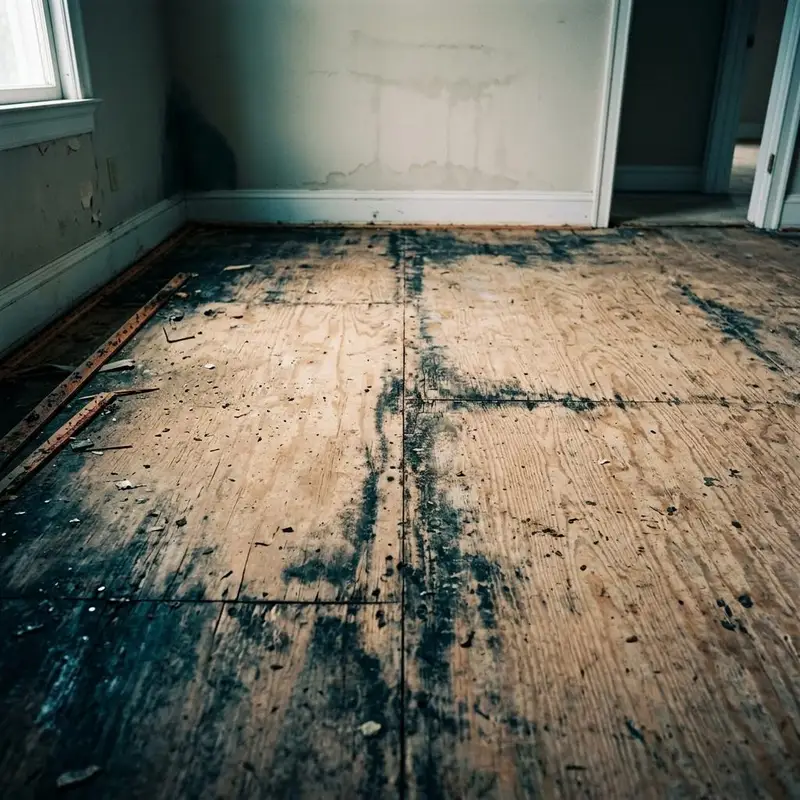
When you lift a corner of the carpet and see dark spots, discoloration, or a musty smell coming from below, the subfloor is likely compromised. This is a situation where cleaning the carpet will not solve the problem. The subfloor must be dried, treated, and possibly replaced before new carpet or padding is installed. Ignoring the subfloor can lead to recurring mold problems even after new carpet is laid.
A moisture meter can help determine if the subfloor is still damp. Professionals use these tools to measure moisture levels in concrete or wood subfloors. If the reading is above a safe threshold, the subfloor needs to be dried before any new materials go down. In some cases, antimicrobial treatments are applied to the subfloor after it is dry to reduce the chance of mold returning. This is a step that cleaning alone cannot accomplish.
Large Areas of Mold Growth
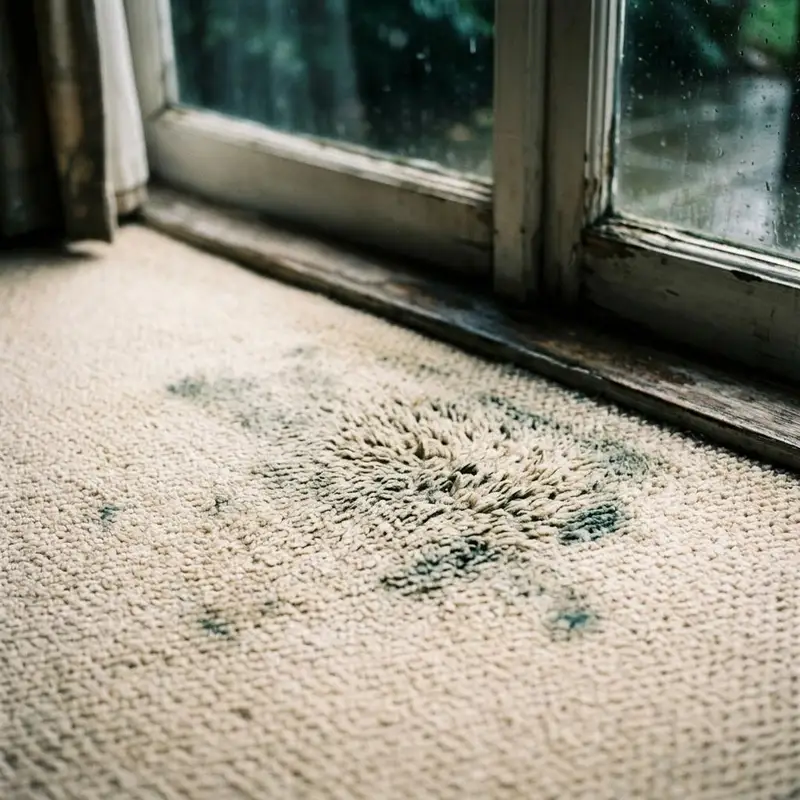
Industry guidelines suggest that any mold growth covering an area larger than about 10 square feet should be handled by removal rather than cleaning. For smaller patches, cleaning may be sufficient if the carpet can be dried thoroughly. But for larger areas, the mold has had time to spread through the backing and padding, and cleaning will not reach all of it. In those cases, removal and replacement are the standard approach. This is where a service like Carpet Mold Removal Services Pros moldy carpet cleaning comes into play, as they have the experience to determine the extent of contamination and the proper method for each situation.
There is also a health consideration. Large mold colonies release significant numbers of spores into the air, which can affect people with allergies, asthma, or respiratory sensitivities. Cleaning can stir up spores and make the air quality worse. Removal, done with containment and proper disposal, is safer for the occupants. Professionals use plastic sheeting and negative air pressure to keep spores from spreading to other parts of the building during removal.
When Cleaning Might Be Enough
Cleaning can work when the mold is limited to the surface and caught early, within 24 to 48 hours of the moisture event. If the carpet was dried quickly and the padding is not wet, a thorough cleaning with hot water extraction and a mold-specific detergent can remove surface growth. The carpet must be able to dry completely, ideally within 24 hours. Using fans, dehumidifiers, and opening windows can speed up drying. After cleaning, the area should be monitored for any return of mold or odor.
Another scenario where cleaning may suffice is when the mold is on a synthetic carpet that does not absorb water as readily as natural fibers. Synthetic carpets dry faster and are less likely to hold moisture deep in the fibers. Even so, the padding underneath remains a risk. If there is any doubt about the padding, it is better to remove and replace it than to risk ongoing mold growth.
What to Expect During Removal
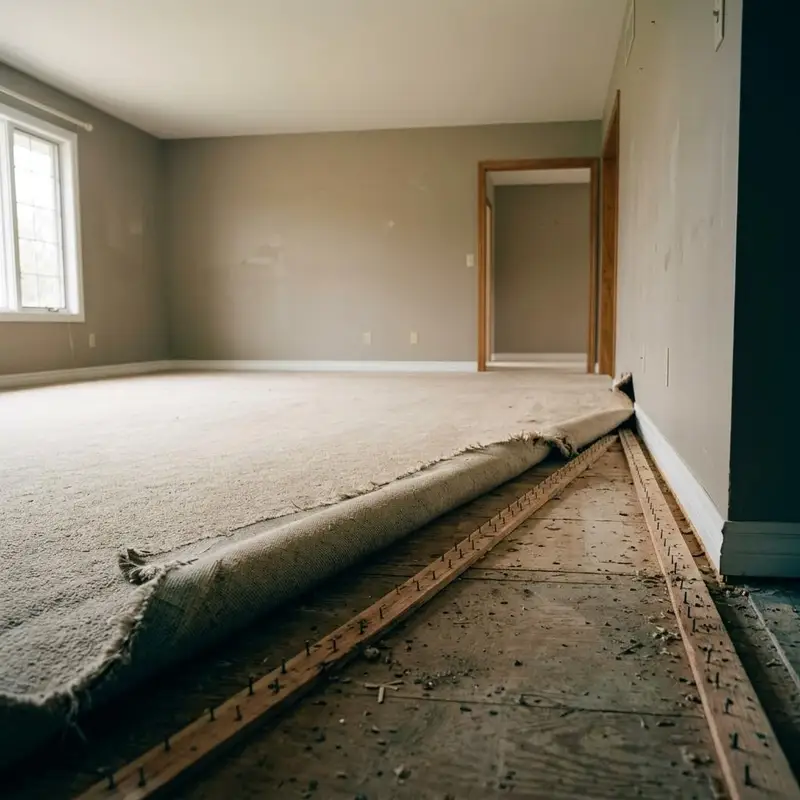
Removing moldy carpet and padding involves cutting the carpet into manageable sections, rolling it up, and sealing it in plastic bags for disposal. The padding is removed separately. The subfloor is then inspected, dried, and treated if necessary. The area may need to be left open for a day or two to ensure everything is dry before new carpet or padding is installed. In some cases, a sealant or antimicrobial coating is applied to the subfloor to create a barrier against future moisture. This process is more involved than cleaning, but it addresses the source of the problem rather than just the symptoms.
In summary, the decision to remove versus clean moldy carpet and padding comes down to how far the moisture has penetrated and how long it has been there. Surface mold caught early can often be cleaned. But mold that has reached the padding, the subfloor, or covers a large area requires removal. Understanding this distinction helps maintain a healthy indoor environment and avoids repeat problems.